
Online advertising is changing as people find new ways to search for information, products, and services. For many years, businesses have used search engines and social media to reach potential customers. Now, conversational platforms are becoming another place where people ask questions, compare products, and look for recommendations.
This change could create new opportunities for businesses. A PPC agency in London can help businesses understand new advertising channels and decide how they fit into their existing marketing plans. As more people use ChatGPT to find answers and make decisions, advertising on conversational platforms could become an important topic for marketers.
What Are ChatGPT Ads
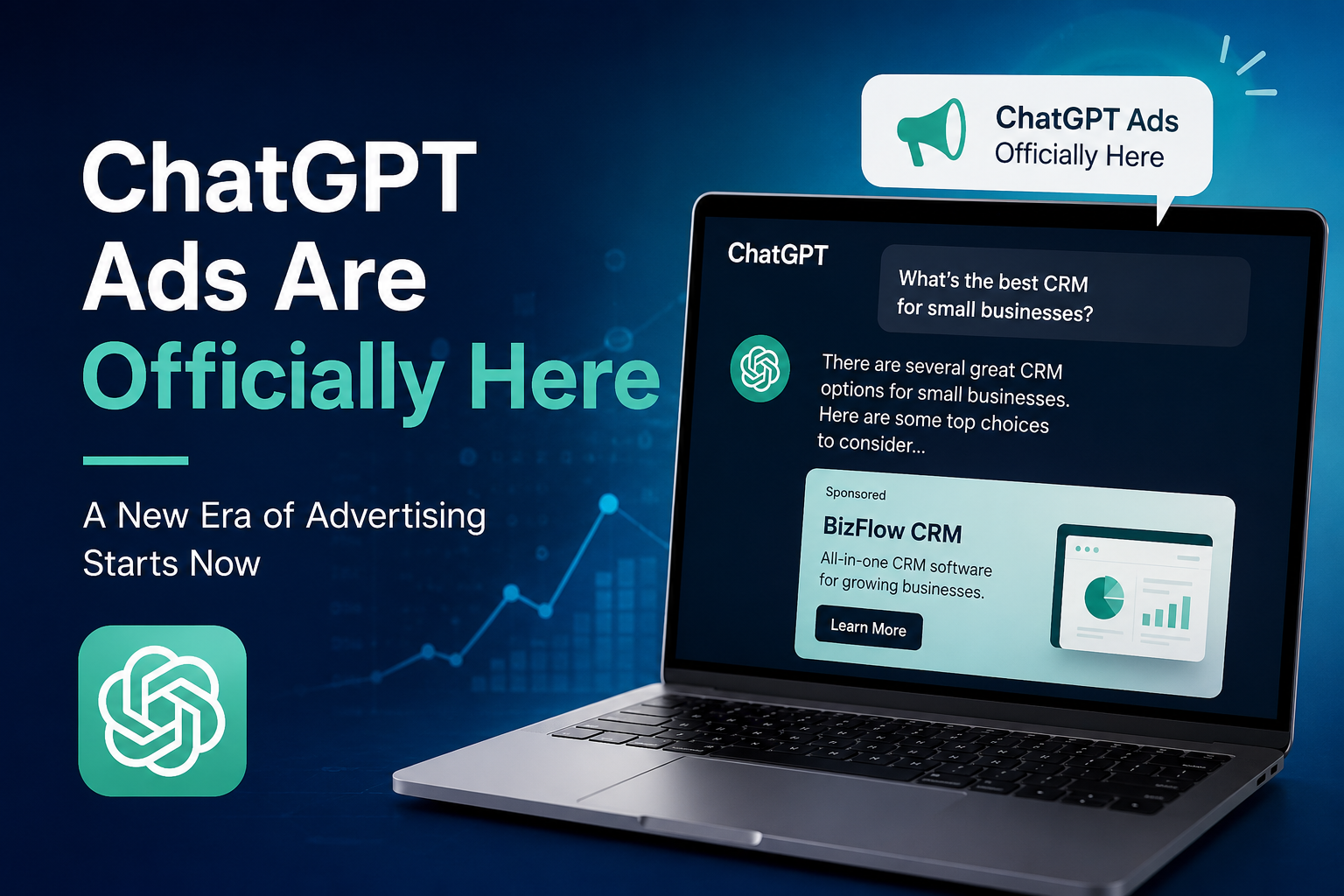
ChatGPT Ads are advertising opportunities connected to the ChatGPT platform. The basic idea is to show relevant promotions or sponsored content when users are looking for information related to a product or service.
For example, someone might ask about the best software for managing a small business. Another person might ask for suggestions about a service, product, or place to visit. On a traditional search engine, the user may see sponsored results alongside organic results.
Advertising on a conversational platform could offer a different experience. Instead of simply typing keywords into a search box, users can explain what they need in a complete question.
The exact format and features of ChatGPT advertising may continue to change as the platform develops. Businesses should always check official announcements and information before making major advertising decisions.
Why ChatGPT Ads Could Be Important
People are changing the way they search for information online. Instead of typing two or three words into a search engine, many users now ask detailed questions.
For example, a person looking for a laptop might ask which model is suitable for video editing, has good battery life, and costs within their budget.
This type of question gives more information about what the user actually wants.
For advertisers, this could create new opportunities to understand customer needs and provide more relevant messages.
The biggest change could be the way businesses understand user intent. When someone explains their needs in detail, it becomes easier to understand what they are looking for and where they are in the buying process.
A New Way to Reach Potential Customers
Advertising works best when a business reaches the right person at the right time. Search ads have been successful because they can target people who are already looking for a product or service.
ChatGPT and other conversational platforms may offer another way to reach people while they are researching and comparing different options.
A customer might use ChatGPT to
• Compare different products
• Ask for recommendations
• Research a service
• Find a solution to a problem
• Learn about different options
• Understand the benefits of a product
This means businesses may have new opportunities to connect with potential customers before they are ready to make a final purchase.
For example, someone may first ask about the best type of software for their business. Later, they may compare different software options and finally look for a provider. Advertising opportunities across this journey could become valuable for businesses.
How ChatGPT Ads May Change PPC Marketing
The growth of ChatGPT Ads could bring changes to the PPC industry. However, this does not mean that traditional advertising platforms will suddenly disappear.
Google Ads and other established platforms are still important for businesses that want to reach people who are actively searching for products and services.
Instead, ChatGPT advertising could become another channel that businesses test alongside their existing campaigns.
Marketers may need to think about
• Where their customers spend time online
• How customers search for information
• What questions people ask before buying
• Which platforms bring the best results
• How much each advertising channel costs
The main goal should be to test new advertising opportunities carefully. Businesses should not move their entire advertising budget to a new platform without understanding whether it can generate valuable results.
Good Content Will Become Even More Important
No matter where people search for information, useful content will always matter.
People want clear answers that help them solve problems and make decisions. They do not want to read content that repeats the same keywords again and again or provides little real value.
Businesses should focus on creating content that
• Answers genuine customer questions
• Explains products and services clearly
• Provides useful information
• Shows knowledge about the industry
• Helps people make informed decisions
Good content can help businesses build trust with their audience. It can also support their wider marketing efforts by giving potential customers the information they need before making a purchase.
ChatGPT Ads Could Make Advertising More Relevant
One possible benefit of conversational advertising is that businesses may have opportunities to reach people based on the wider context of their needs.
Imagine a business owner asking for help choosing accounting software. During the conversation, they might explain that they run a small business, have a limited budget, and need software that works with their existing tools.
This gives a clearer picture of what the person needs.
If advertising is introduced in this type of environment, businesses may be able to present products or services that are more relevant to the user’s needs.
However, advertising should feel useful and natural. If users feel that advertisements are annoying or interrupt their experience, they may lose trust in the platform.
The challenge for advertisers will be finding the right balance between relevance and user experience.
Privacy Will Be an Important Topic
Privacy will likely remain an important part of conversations around advertising on conversational platforms.
People want to know how their information is collected, used, and protected. Businesses also need to understand the rules around data and advertising before starting campaigns.
Advertisers should always follow platform policies and applicable privacy laws when using any advertising channel.
Being transparent and respectful about customer information can help businesses build stronger relationships with their audiences.
Trust is especially important when advertising becomes part of a more personal and conversational online experience.
What Businesses Can Do Now
Businesses do not need to completely change their marketing strategy because of ChatGPT Ads. Instead, they can start preparing for changes in the way people search for information and make buying decisions.
Here are some simple steps businesses can take.
Review Your Current PPC Campaigns
Start by checking your existing advertising campaigns and identifying which ones are bringing good results.
Look at important numbers such as
• Number of leads
• Number of sales
• Cost per lead
• Conversion rate
• Return on advertising spend
This will help you understand what is already working before you start testing a new advertising channel.
Learn More About Your Customers
Think about the questions your customers ask before buying from your business.
Understanding these questions can help you create better content, improve your website, and write more useful advertising messages.
You can speak with your sales team, check customer enquiries, and review common questions received through email or social media.
These simple steps can provide valuable information about what your audience actually wants.
Improve Your Website
Advertising can bring visitors to your website, but your website needs to convince them to take action.
Make sure your website
• Loads quickly
• Works properly on mobile devices
• Has simple navigation
• Clearly explains your products or services
• Contains useful and easy to understand information
• Makes it simple for visitors to contact you
A good website can help turn advertising traffic into genuine leads and customers.
Create Helpful Content
Businesses should create content that answers the questions their customers actually ask.
You can publish
• Blog posts
• Frequently asked questions
• Buying guides
• Product comparisons
• Service pages
• How to guides
This type of content can help potential customers understand your business and make decisions with greater confidence.
It can also strengthen your overall online presence and support your wider marketing strategy.
Keep an Eye on New Advertising Channels
The digital advertising industry continues to change. Businesses should keep an eye on new platforms and opportunities.
However, it is important not to follow every new trend without checking the results.
Before investing heavily in a new platform, businesses should consider their target audience, budget, goals, and expected return.
Will ChatGPT Ads Replace Google Ads
It is too early to say that ChatGPT Ads will replace Google Ads.
Google Ads has been a major part of online advertising for many years. Businesses use it to reach people who are actively searching for products and services.
ChatGPT Ads may become another advertising option rather than a complete replacement for search advertising.
In the future, businesses may use several marketing channels, including
• Search advertising
• Social media advertising
• Display advertising
• Video advertising
• Conversational advertising
• Content marketing
The right combination will depend on the business, industry, target audience, budget, and marketing goals.
Businesses should focus on choosing platforms that help them reach the right customers rather than simply using every available channel.
What ChatGPT Ads Could Mean for Small Businesses
Small businesses may have both opportunities and challenges as online advertising continues to change.
New platforms could give smaller businesses more ways to reach potential customers. However, managing several advertising channels can also become difficult and expensive.
Small businesses should focus on the platforms that bring real results instead of trying to advertise everywhere.
They should regularly check
• How much money they spend
• How many leads they receive
• How many customers they gain
• How much revenue their campaigns generate
• Which campaigns perform best
This information can help businesses decide where to invest their advertising budget.
The Future of Online Advertising
The way people search for information is changing. Many users now prefer asking detailed questions instead of typing short search terms.
This could influence the future of online advertising.
However, the basic principles of successful advertising will remain important. Businesses still need to understand their customers, create useful messages, manage their budgets, and measure their results.
The main difference may be where businesses reach their audiences and how they communicate with them.
Businesses that stay updated and are willing to test new opportunities may be better prepared for future changes.
At the same time, brands should not forget the basics. A strong website, useful content, clear messaging, and a good customer experience will continue to play an important role.
ChatGPT Ads could bring a new direction to online advertising. As people change the way they search for information, businesses will need to understand how these changes affect customer behaviour.
This does not mean businesses should immediately stop using traditional advertising platforms. Instead, they should continue to monitor new developments and test new opportunities when they make sense for their audience.