

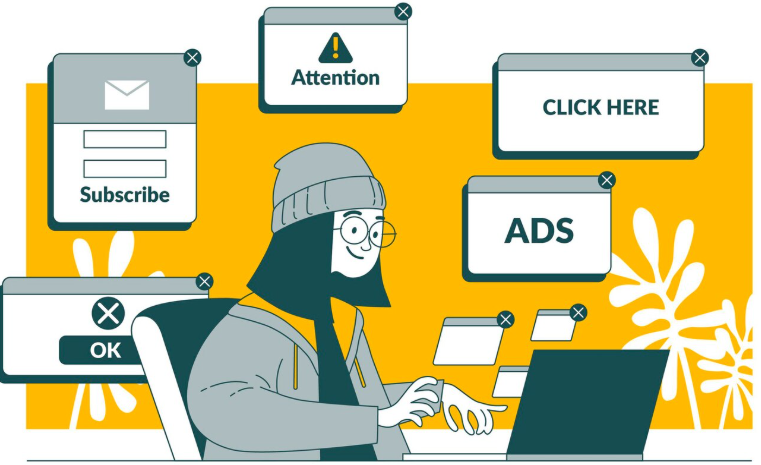
Paid ads are a powerful way to drive traffic and sales, but even the best campaigns can lose momentum. When clicks drop or conversions stall, it’s a signal to adjust—not give up. In a fast-moving market like London, quick changes can make all the difference. Understanding the causes of underperformance will help you get back on track quickly.
1. Reevaluate Your Targeting
Sometimes, your ads are simply reaching the wrong people. Audience behavior changes over time, and your original targeting may no longer be accurate.
Check for:
-
Location accuracy – Are you targeting the right London areas?
-
Demographic fit – Do your ads still match your ideal customer profile?
-
Interests & behaviors – Have audience habits shifted since the campaign began?
Fine-tuning your audience ensures your budget is spent on high-potential leads.
2. Refresh Your Ad Creatives
If the same visuals and headlines keep showing, people eventually scroll past without noticing. This “ad fatigue” hurts engagement.
To fix it:
-
Change your ad images or videos.
-
Test new headlines and calls-to-action.
-
Try different ad formats like carousels or short video clips.
Even small creative tweaks can breathe new life into your campaigns.
3. Check Your Landing Pages
Your ad might work perfectly, but if the landing page is slow or unconvincing, you’ll lose sales.
Improve your landing page by:
-
Ensuring it matches the ad promise exactly.
-
Optimizing it for mobile users.
-
Removing clutter so the call-to-action stands out.
-
Reducing load time by compressing images and cleaning up code.
A smooth landing page experience increases conversions from every click you pay for.
4. Optimize Your Bidding Strategy
Bids affect how often your ads are shown. Too low, and you lose visibility. Too high, and your budget drains fast.
Smart bidding adjustments include:
-
Testing automated bidding vs. manual bidding.
-
Reviewing competitor activity in your market.
-
Raising bids slightly for high-converting times of day.
A balanced bidding strategy maximizes exposure without overspending.
5. Use Retargeting Campaigns
Most people don’t convert on the first visit—but they might later. Retargeting keeps your brand visible to these warm prospects.
Effective retargeting tactics include:
-
Offering a limited-time discount.
-
Showing ads featuring customer testimonials.
-
Highlighting products they viewed but didn’t purchase.
In a busy city like London, retargeting is one of the most cost-effective ways to improve sales.
When your paid ads stop performing, the best approach is to adapt quickly. From refining your audience to refreshing creatives, every small improvement helps. In competitive markets, partnering with an experienced PPC agency in London ensures your campaigns stay ahead of the curve. The sooner you act, the sooner you’ll turn low-performing ads into high-return investments.
FAQs
Q1: Why do paid ads stop performing over time?
Paid ads lose effectiveness for several reasons. Audience fatigue is a big one—when the same people see your ad repeatedly, they stop engaging. Competition can also increase, making it harder to win auctions without higher bids. Market demand may change, meaning your offer is less appealing. Outdated ad creatives or poor targeting can hurt results too. Additionally, platforms like Google and Facebook adjust their algorithms, which impacts how ads are shown. Regularly monitoring performance metrics, testing new creatives, and refining targeting are the best ways to maintain strong results in competitive locations like London.
Q2: How often should I refresh my paid ad creatives?
Refreshing creatives every 4–6 weeks helps keep audiences engaged and prevents ad fatigue. You don’t have to completely redesign each time—small changes can work wonders. This could mean updating headlines, adjusting colors, or swapping images. Using A/B testing ensures you know which updates actually improve performance. Aligning your creative updates with seasonal trends or special promotions keeps your ads relevant. The key is to stay ahead of audience boredom. By consistently refreshing your creatives, you can maintain click-through rates, encourage interaction, and boost conversions without increasing your advertising budget unnecessarily.
Q3: Can a slow website affect my paid ad results?
Yes, a slow website can seriously hurt your ad performance. Users expect fast-loading pages, and if your site takes more than a few seconds to load, many will leave. High bounce rates signal poor user experience, which can lower your Quality Score on Google Ads. This not only reduces visibility but also increases your cost-per-click. Optimizing speed with compressed images, efficient coding, and reliable hosting improves user experience. A fast site helps convert paid traffic into sales, meaning your advertising spend works harder for you. In competitive cities, speed is a non-negotiable factor for ad success.
Q4: Is retargeting effective for local businesses in London?
Absolutely. Retargeting allows you to reach people who already interacted with your business, making them more likely to buy. For London-based companies, you can target users in specific postcodes who previously visited your site or engaged with your ads. By showing localized offers—such as discounts for nearby customers—you increase relevance. Retargeting keeps your brand top-of-mind for people already interested in your services. Since these audiences are warmer, conversion rates are usually higher. It’s one of the most budget-friendly ways to boost results and a key strategy for local advertising campaigns.
Q5: Should I hire a PPC agency to improve ad performance?
Hiring a PPC agency can significantly improve results, especially if your ads have plateaued. Agencies bring expertise, data insights, and advanced tools that most businesses don’t have. In London, a specialized PPC agency understands local competition and can tailor campaigns to your target market. They handle everything from keyword research and creative testing to bid adjustments and analytics. This frees up your time while ensuring campaigns are constantly optimized. For businesses that want to reduce wasted spend and maximize ROI, a professional PPC partner is often the smartest investment you can make.
Summary:
When paid ads stop performing, quick action can turn results around. This blog covers practical fixes, including refining targeting, refreshing creatives, improving landing pages, optimizing bids, and using retargeting. It explains how small adjustments can boost engagement and conversions, especially in competitive markets like London. With expert insights and actionable tips, it shows why working with a skilled London Based PPC agency can help businesses stay ahead and get the most from their advertising budget.